Government for Dummies
A plain-language guide to every person who governs on your behalf. Who they are, what they do, whether you vote for them, and why any of it matters.
13 people make decisions on your behalf at the federal level: 2 senators, 1 House rep, 1 president, and 9 Supreme Court justices. Add your governor and it's 14 people shaping the laws you live under. Here's what each of them actually does.

The President
The president is the head of the entire federal government and commander-in-chief of the military. They sign or veto laws passed by Congress, negotiate treaties, appoint federal judges (including Supreme Court justices), and set the direction of the country through executive orders and policy priorities.
Every federal agency — from the EPA to the DOJ — answers to the president. The person in this seat shapes foreign policy, economic direction, and which laws actually get enforced. When people say "the most powerful person in the world," this is the job they mean.
You vote for the president every 4 years in November. Technically, you vote for electors in the Electoral College who then cast the official vote — but your ballot is what drives it.
U.S. Senators
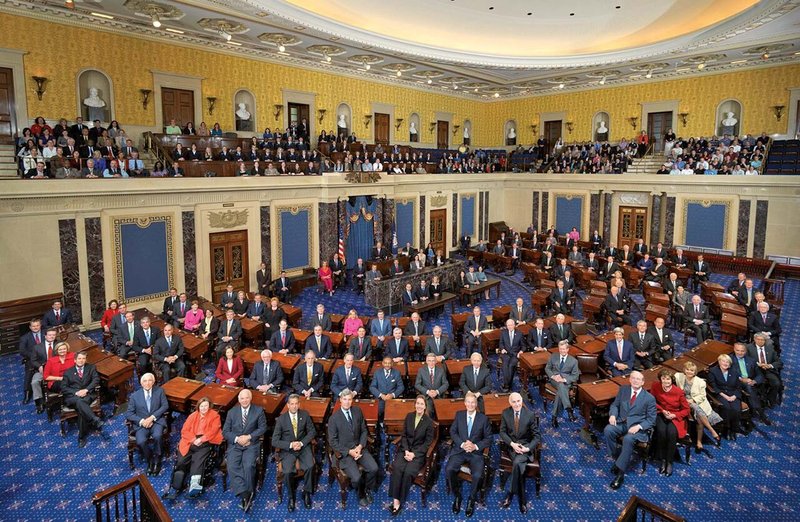
Senators write and vote on federal laws alongside the House, but they also have exclusive powers: confirming the president's nominees (judges, cabinet members, ambassadors), ratifying treaties, and conducting impeachment trials. The Senate is designed to move slower and more deliberately than the House.
Your two senators represent your entire state — not just your neighborhood. They vote on every Supreme Court nominee, every cabinet pick, and every piece of federal legislation. A single senator can block a bill or hold up a nomination. With only 100 seats, each one carries real weight.
You vote for one senator at a time. Senate terms are staggered so roughly one-third of the Senate is up for election every 2 years. Check your ballot to see if one of your state's seats is up this cycle.
House Representatives
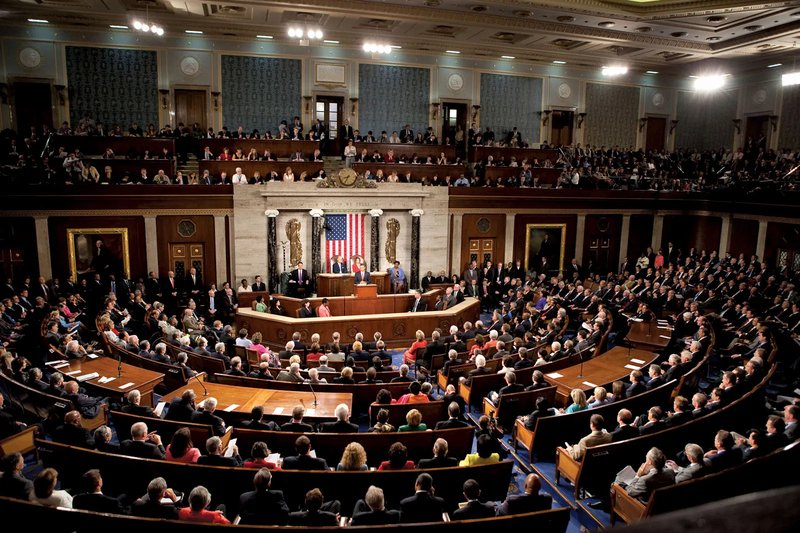
Representatives (or "congress members") write and vote on federal laws. The House has the exclusive power to introduce revenue bills (taxes and spending), impeach federal officials, and elect the president if no candidate wins the Electoral College. Each representative serves a specific congressional district within their state.
Your House rep is the most local federal official you have. They represent roughly 760,000 people in your specific district — your neighbors, your schools, your roads. Because they run every 2 years, they are the most responsive to constituent pressure. If you want your federal government to hear you, this is the person to call.
You vote for your House representative every 2 years. You only vote in your own district's race — you can't vote for a rep in another part of your state.

Your Governor
The governor is essentially the president of your state. They sign or veto state laws, manage the state budget, command the state's National Guard, appoint state judges, and lead the executive branch of state government. State-level policy on education, healthcare, criminal justice, infrastructure, and business regulation runs through the governor's office.
Most of the laws that affect your daily life — speed limits, school funding, property taxes, marijuana policy, abortion access, gun regulations — are set at the state level, not the federal level. Your governor has more direct impact on your day-to-day than the president does on most issues.
You vote for your governor in state elections, usually every 4 years. Governor races don't always line up with presidential elections — check your state's schedule.

Supreme Court Justices
The Supreme Court is the final interpreter of the Constitution. When lower courts disagree, when laws are challenged, or when fundamental rights are at stake, these nine justices have the last word. They decide what the Constitution actually means in practice — from free speech to voting rights to privacy.
Supreme Court decisions outlast every president and every Congress. Roe v. Wade lasted 49 years. Brown v. Board of Education has shaped schools since 1954. A single ruling can change the rights of 330 million people overnight, and there is no appeal above the Supreme Court. The justices on this bench right now will likely serve for decades.
You don't vote for Supreme Court justices directly. The president nominates them and the Senate confirms them. This is one of the biggest reasons your presidential and Senate votes matter — those are the two elections that determine who sits on this bench.
Go pick the people who govern for you.